

Breathing New Life Into Treasured Heirlooms

Today we explore Heirloom Revival: Restoring Vintage Pieces While Preserving Their Story, celebrating craftsmanship, memory, and mindful repair. Expect practical guidance, gentle philosophy, and heartfelt case studies that keep patina and provenance intact. Share your own family object in the comments, subscribe for step-by-step workshops, and join a community where every scratch, stitch, and dovetail is treated not as damage but as a chapter worth honoring and passing forward.

A Philosophy of Care

Restoration here begins with empathy, patience, and history. We weigh original intent, materials, and familial meaning before lifting a tool. Reversible methods take priority, documentation happens alongside repair, and the goal is continuity, not disguise. Add your questions as we go; community insight often reveals details hidden between nail holes, faded labels, and inherited stories that deserve attentive listening and respectful choices that keep memory accessible for the next generation.

Materials and Methods That Honor Age

Gentle Cleaning, Not Erasing

Start with dusting and dry methods, then progress to pH-balanced cleaners tested in hidden spots. The goal is removing grime, not history. We preserve the mellow glow of wax, the subtle oxidation on brass, and the softened edges earned through decades. Share your test results and unexpected reactions, because collective observations refine safe protocols and prevent well-meaning scrubbing from accidentally stripping away irreplaceable character, color, and delicate surface chemistry.

Reversible Adhesives and Thoughtful Joinery

Animal-hide glues and conservation epoxies designed for retreat enable future caretakers to revise our work. When re-gluing joints, we prioritize mechanical strength without overclamping, respecting aged fibers and original pins. Pegs, shims, and keys are sized modestly and documented thoroughly. Post a photo of your joinery challenge, and we will discuss grain direction, humidity, and clamping strategies that stabilize without suffocating the wood’s natural movement and heritage.

Finishes That Whisper, Not Shout

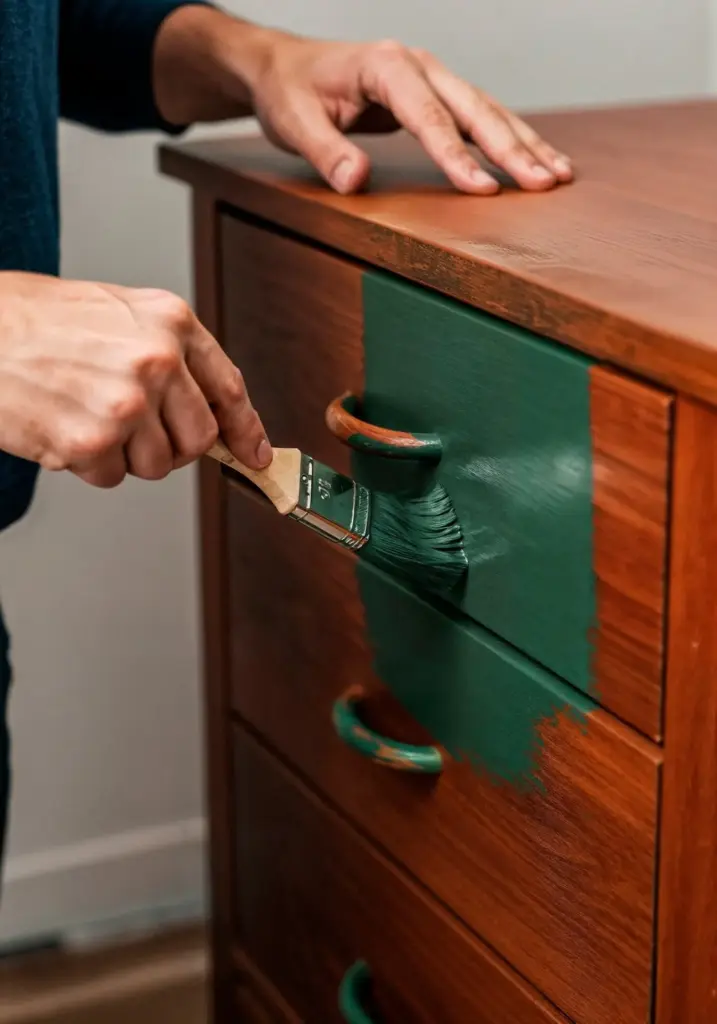
Choose finishes that complement patina: waxes, oils, and shellac often sit more gracefully than heavy polyurethane. Color matching should bridge past and present without pretending nothing happened. We build luster gradually, letting light find depth rather than gloss dominate. Tell us if you struggle with blotching or raised grain; we will troubleshoot sealing coats, abrasives, and drying times to keep surfaces honest, resilient, and beautifully restrained under daily hands.

Stories Stitched Into Wood, Fabric, and Metal

An heirloom’s soul resides in stories: who built it, who carried it across borders, who celebrated around it. We collect memories with as much care as we collect tools. Oral histories, letters, and photographs enrich every repair decision. Share your family’s anecdotes and discovered dates; together we can weave a narrative that helps each dowel, seam, and hinge speak clearly, gracefully, and truthfully to future eyes and hands.

Case Studies From the Workbench

Real projects teach nuance better than rules. We share successes and missteps openly so your path becomes clearer and kinder. Notice how small interventions can achieve lasting impact without theatrics. Suggest your own challenges in the comments, and we may feature them in future walkthroughs, linking tool choices, material tests, and emotional moments to practical outcomes that respect the object’s timeline, its makers’ intent, and your family’s evolving life.

Ethics, Value, and Market Realities

Respecting heritage means balancing emotion with practicality. We examine authenticity, appraisals, insurance, resale considerations, and the responsibility to decline work when interventions would cause harm. Our approach favors transparency: every decision is traceable and defensible. Ask questions about valuation or coverage, and compare experiences so we can map a path that honors both sentimental depth and the realities of stewardship over decades, households, and changing economic climates.

Authenticity Versus Perfection

Perfection often silences history. Replaced hardware may raise convenience but lower integrity. We assess whether modifications distort origin or simply stabilize function. When in doubt, we default to restraint and documentation. Share your before-and-after dilemmas, and we’ll weigh historic accuracy, safety, and usability, finding a sweet spot where value grows from honesty, not gloss, and where a gentle, knowledgeable hand protects lineage more reliably than aggressive cosmetic overhauls ever could.

Insurance, Appraisals, and Paper Trails

Photograph every angle, store serial numbers, and keep receipts from reputable conservators. A written appraisal contextualizes condition and market comparables. Ask insurers about riders that acknowledge sentimental significance. If you sell, disclose interventions plainly to build trust. Post questions about documentation formats; we will share templates and checklists that help heirs, buyers, and adjusters understand what was done, why it mattered, and how to care responsibly going forward without confusion.

Saying No When Restoration Would Harm

Occasionally, the bravest decision is declining a procedure. Fragile finishes, unstable substrates, or over-cleaning risks may outweigh benefits. We propose monitoring plans, environmental controls, or archival storage when action would jeopardize authenticity. Tell us about projects you’re hesitant to begin; we can evaluate risks together, considering climate, light, pests, and handling. Protecting meaning sometimes means patience, choosing preservation strategies that keep options open for wiser interventions later.

Start Your Own Revival

Embarking on your first restoration can feel daunting yet deeply rewarding. We offer practical checklists, community mentorship, and workshops that emphasize safety, empathy, and reversible choices. Share what you hope to repair; we’ll suggest a starting path. Subscribe for updates, post your progress in replies, and join a circle where encouragement, careful technique, and shared stories transform cautious beginnings into confident stewardship, one mindful decision and gentle pass of the cloth at a time.

A Starter Toolkit That Respects Heritage

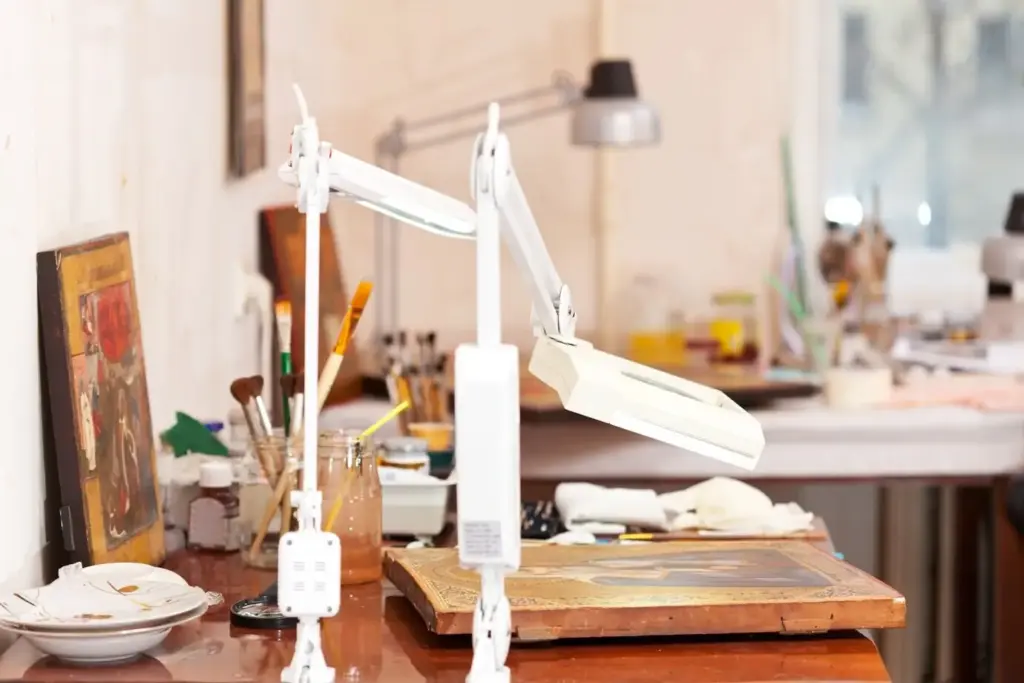
Begin with soft brushes, cotton swabs, pH-neutral cleaner, hide glue, clamps with protective pads, fine abrasives, and a simple magnifier. Add archival labels and a notebook. Each tool is chosen for subtlety, control, and reversibility. Tell us your budget and object type; we’ll tailor recommendations and brands. By building slowly, you avoid impulse purchases and cultivate habits that prioritize care, documentation, and calm, deliberate progress over hurried, risky experimentation.

Finding Mentors and Conservation Resources

Seek local guilds, museum talks, community colleges, and repair cafés. Many conservators generously share best practices when approached respectfully. Online forums can guide material tests and caution against shortcuts. Ask for our curated list, and introduce yourself in the comments. Mentorship accelerates learning, helps you avoid costly mistakes, and keeps values aligned with preservation. Together, we build an informed network where kindness to objects and people comes first.

Share Your Heirloom Revival With Us

Post before-and-after photos, write a few lines about what you learned, and tag materials used. Celebrate surprises, especially mistakes that taught patience or humility. We regularly feature reader projects in letters and workshops, crediting contributors and linking supplies. Subscribe for monthly prompts that nudge gentle progress. Your experiences, questions, and reflections turn solitary repairs into a welcoming community practice where every restored piece inspires the next careful, loving act.
Piersidecoffee
Privacy Overview

This website uses cookies so that we can provide you with the best user experience possible. Cookie information is stored in your browser and performs functions such as recognising you when you return to our website and helping our team to understand which sections of the website you find most interesting and useful.